
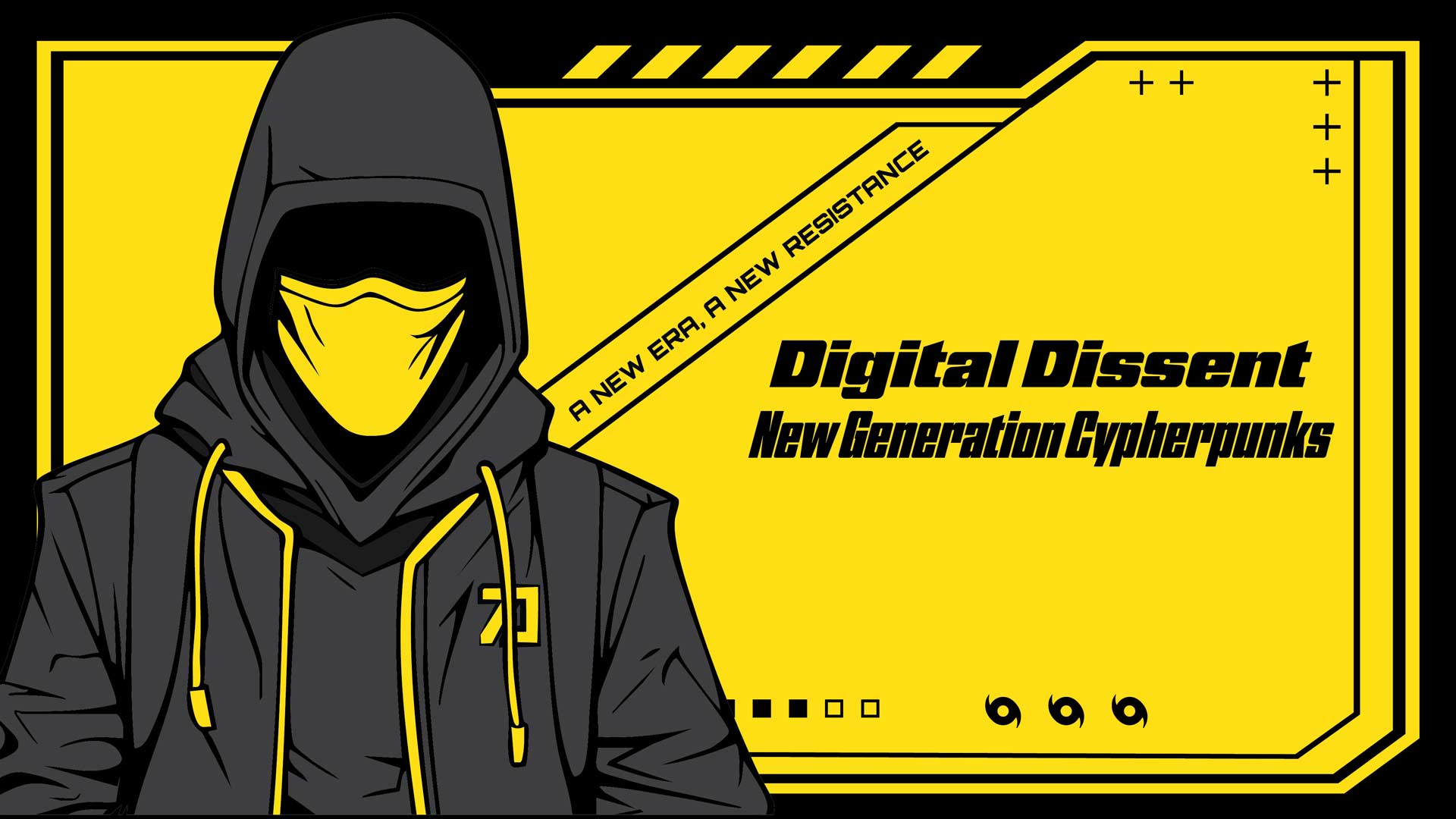
Digital Dissidents - New Generation of Cypherpunks
The Legacy of the Original Cypherpunks
I grew up in a time when the internet was still in its infancy. From an early age, it was ingrained in me never to share personal details online—no real names, no identifying information, nothing that could trace back to me. This was common sense, passed down almost instinctively. Was my father also aware of online privacy in his time? I don’t know. But what I do know is that this awareness is no longer being passed from parent to child the way it once was. Today’s generation is growing up in a world where oversharing is the norm. Online presence is almost mandatory, and where digital caution is often dismissed as paranoia and convenience often outweighs privacy concerns. The original cypherpunks were visionaries who saw early on that digital freedom and privacy are fundamental rights. Their efforts laid the foundation for encryption, anonymous communication, and decentralized technologies such as Tor and PGP. The message and fight of the cypherpunks seems to be fading. Users willingly trade personal data for ease of access, feeding the surveillance economy that tech companies and governments thrive on. Every click, every search query, and every conversation is recorded, analyzed, and monetized. What started as a promise of an open and free digital space has turned into a dystopian surveillance state, where Big Tech and governments collaborate to control and profile citizens.
The Illusion of Security and Convenience
Modern digital society operates like a panopticon where data is the new currency. Social media platforms, search engines, and online services lure users in with seamless experiences while secretly amassing vast amounts of personal information. This data is then monetized, analyzed, and, in some cases, weaponized.
Most users accept this trade-off without realizing the long-term consequences. Today, it may seem harmless to share personal details or political opinions online, but what happens when laws change? Retrospective enforcement is a growing concern, with governments using old social media posts or search histories to prosecute individuals. What is legal today may become incriminating tomorrow. True privacy is not about hiding; it is about the right to control who has access to one’s personal information. Digital freedom means being able to speak, explore, and interact without fear of unpredictable repercussions.
The Responsibility of the User
Many people think privacy is a lost cause or that protecting oneself is too technical and complicated. That is a misconception. You don’t need to be a programmer to minimize your digital footprint.
Simple steps like using a privacy-friendly browser, encrypted messaging apps, and blocking trackers can already make a significant difference. But more importantly, awareness is key: recognizing data collection and manipulation. The internet is a battlefield, and every choice you make – from the search engine you use to the software you install – is a step toward digital freedom or digital oppression.
The original cypherpunks provided the tools, but technology alone is not enough. End-to-end encryption, decentralized networks, and anonymous payment systems exist, yet they remain underutilized. This is where the new cypherpunks must step in—not just developers and cryptographers, but everyday users who understand the importance of digital autonomy. Privacy-conscious behavior is a form of digital activism. Waiting for governments or corporations to change the status quo is futile—real change begins with individual action.
A New Era, A New Generation of Cypherpunks
The cypherpunk movement is far from obsolete; it is evolving. As mass surveillance continues to expand, the core principles of the original cypherpunks are more relevant than ever.
In an era where privacy is constantly under threat, it is crucial for a new generation to rise up and advocate for digital freedom. The original cypherpunks saw cryptography as a powerful tool to protect personal data and ensure autonomy.
Today, technology presents both threats and opportunities. The values of the cypherpunks—decentralization, encryption, and self-sovereignty—can inspire a new wave of activists to take control of their digital lives. But this new generation must not only be the builders; they must also be the users. Only by actively adopting privacy tools and encryption can they truly bring the principles of the cypherpunk movement to life and build a future where privacy remains a fundamental right.
Digital Dissidents Series
This article marks the beginning of my “Digital Dissidents” series. In the next piece, I will explore how to practically minimize your digital footprint—not by listing generic advice, but by highlighting individuals who have been a major inspiration in the fight for privacy. If you have your own cypherpunk heroes, I’d love to hear about them.